Feeling Less Thirsty Does Not Remove the Need for Fluid Access
- Cold, indoor heat, layers, and long school days can change drinking.
- Keep a bottle reachable and offer breaks without quotas or chugging.
Loading…
Aspire Hydration
Cold can quiet thirst, so make bottles, refills, planned drink opportunities, and symptom response part of the weather plan.
Cold-weather hydration is an access and safety problem: keep fluids usable, adjust opportunities with conditions, and route concerning symptoms to the medical plan.
Cold-weather hydration works when access is easy, conditions change the plan, and symptoms trigger the right response.
Do this:
Try this week: Find the working refill spot at school and use it before practice three days this week.
Not true: you only need water when it is hot. Cold just makes thirst quieter.
Start with the food category. Tap a package for one recognizable brand example, then swap within the category for access, tolerance, culture, budget, and allergens.


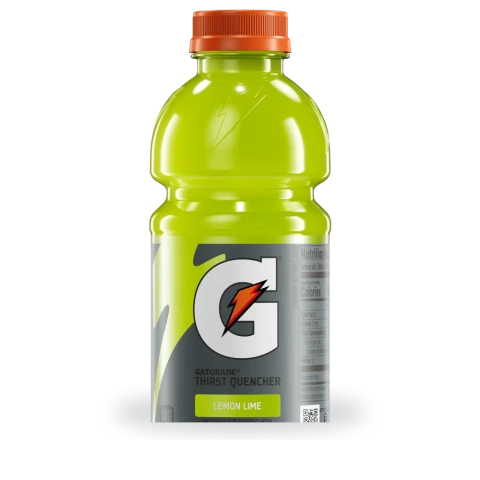

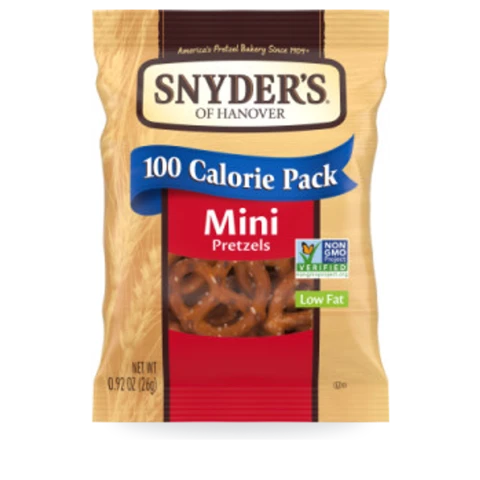

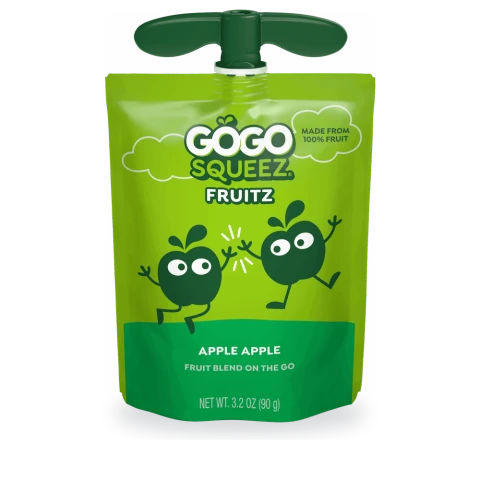
| Check | Team Move | Why It Matters |
|---|---|---|
| Access | Filled bottle is reachable | No athlete must wait for permission |
| Refills | Name the working refill point | Cold can disable normal logistics |
| Breaks | Build normal opportunities into practice | Support without quotas or forcing |
| Symptoms | Stop, assess, follow the EAP | Safety outranks finishing the session |
Cold blunts the thirst signal, so athletes lose fluid through sweat under layers and through dry-air breathing without feeling it.
Layers trap heat during hard efforts, so a winter workout can still produce real sweat loss; access and planned breaks cover that gap without any formula.
Symptoms outrank any hydration score: confusion, fainting, collapse, or severe weakness is an emergency-plan decision, not a drinking problem to reason through.
Built by an RD who coaches · Luke Rodriguez, MS, RDN · Palmer Ridge HS XCWhen to use this
The first cold week of the season, when bottles stop coming to practice because nobody feels thirsty.
Finish before you close this page
Write the bottle owner, refill location, planned break, and adult who owns the heat or emergency decision.
Done looks like: All four details are confirmed before the session begins.
Where to go next
From one handout to a repeatable team system
Coach: Open the matching week, deliver the team talk, assign the staff owner, and verify the written action.
Family: Send the editable family message, share the handout, and keep the same next action visible in the family portal.