
Notice Repeated Changes Without Deciding the Cause
- Fatigue or slower recovery are observations, not a diagnosis.
- These changes have many possible causes; share them with the family.
Loading…
Aspire Iron System
Repeated or concerning fading deserves a family and clinician conversation, not a coach-run screen.
A referral reference for repeated fatigue and training changes: share observable concerns, protect privacy, and let the clinician decide whether evaluation or testing is appropriate.
A good iron check protects privacy and hands evaluation to the clinician.
Do this:
Try this week: At the end of each day, note if you felt flat, and tell a parent if it was most days.
Not true: a tired runner just needs to try harder. Tired for weeks needs a doctor's look.
Start with the food category. Tap a package for one recognizable brand example, then swap within the category for access, tolerance, culture, budget, and allergens.
A clear, private handoff for repeated or concerning changes.

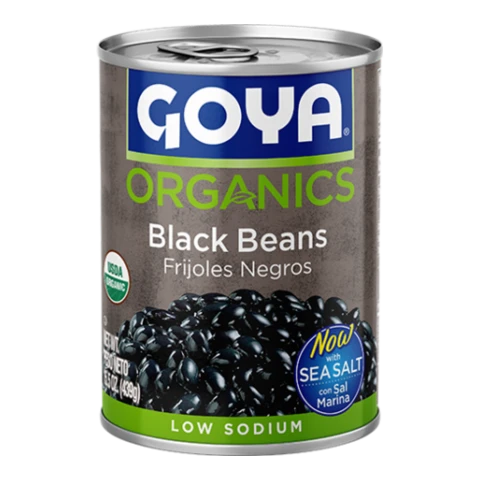

Familiar packages make food easier to spot. No product image diagnoses or treats low iron; refer for clinical evaluation.
Notice the pattern, not one bad day.
Flat races despite rising effort, unusual fatigue between sessions, slow recovery, and a pale look are what to write down. Heavy menstrual bleeding, a mostly plant-based plate, an altitude block, or a stress-injury history stack the risk.
One calm conversation with the family starts it.
Describe the pattern you noticed and hand the athlete to their physician. Give useful sport context without selecting a test or predicting the cause. The clinician decides whether an evaluation or testing is appropriate. Fainting, chest pain, or breathlessness while walking is same-day care, not a note home.
Supplements are a clinical decision.
Never hand out iron, an amount, or a reading of someone’s results. Iron started without a workup can cause GI harm and mask other conditions. The physician owns testing and treatment; the coach owns the follow-up conversation. Aspire publishes no iron amount and no lab value.

Repeated fading with steady training has many possible causes, sleep, intake, illness, stress, and iron status among them, and a coach cannot tell them apart from the sideline.
Naming the test creates false reassurance if that number is fine and distracts from other causes; the clinician chooses what to check from sport context and observable change.
Regular meals with familiar iron-containing foods need no lab to justify, while any product or amount is a physician's decision, because self-started iron carries real risks.
Built by an RD who coaches · Luke Rodriguez, MS, RDN · Palmer Ridge HS XCPaired coach action guide
Open the matching five-part guide for observable signs, a conversation script, green-yellow-red decisions, implementation steps, follow-up, and referral boundaries.
When to use this
When repeated unexplained fatigue puts a physician conversation on the table with an athlete's family.
Finish before you close this page
Identify the observable concern, the adult receiving it, and the private handoff channel.
Done looks like: The concern is documented without diagnosis, scoring, or a public team conversation.
Advanced lab
The sheet covers what coaches can observe and how to refer without screening, diagnosing, or collecting private health data.
Coaches describe observable patterns and use the established family and athletic-trainer referral path. Whether to test, what to test, how to interpret it, and any supplement or amount belong to the physician; individual food planning belongs with a sports dietitian.
Where to go next
From one handout to a repeatable team system
Coach: Open the matching week, deliver the team talk, assign the staff owner, and verify the written action.
Family: Send the editable family message, share the handout, and keep the same next action visible in the family portal.
Immediate danger or a medical emergency: call 911. Mental-health crisis support: call or text 988. Eating-disorder screening, treatment search, and support options: current NEDA Get Help center.