Make Drinking Possible First
- Keep a bottle through the school day and start practice with it full.
- Set refill access and drink breaks before the session starts.
Loading…
Aspire Hydration
Start with access, breaks, and a bottle routine. Individual fluid targets belong with a sports dietitian or athletic trainer.
Build team access first. Use a rehearsed fluid routine and measured sweat data when available; no single observation or shortcut sets every athlete's target.
Build the bottle-and-break routine for everyone; individualize fluid targets with qualified support.
Do this:
Try this week: Show up with a full bottle five practices in a row and notice how the hot days feel.
Not true: everyone on the team needs the same amount of water. Sweat is personal.
Start with the food category. Tap a package for one recognizable brand example, then swap within the category for access, tolerance, culture, budget, and allergens.
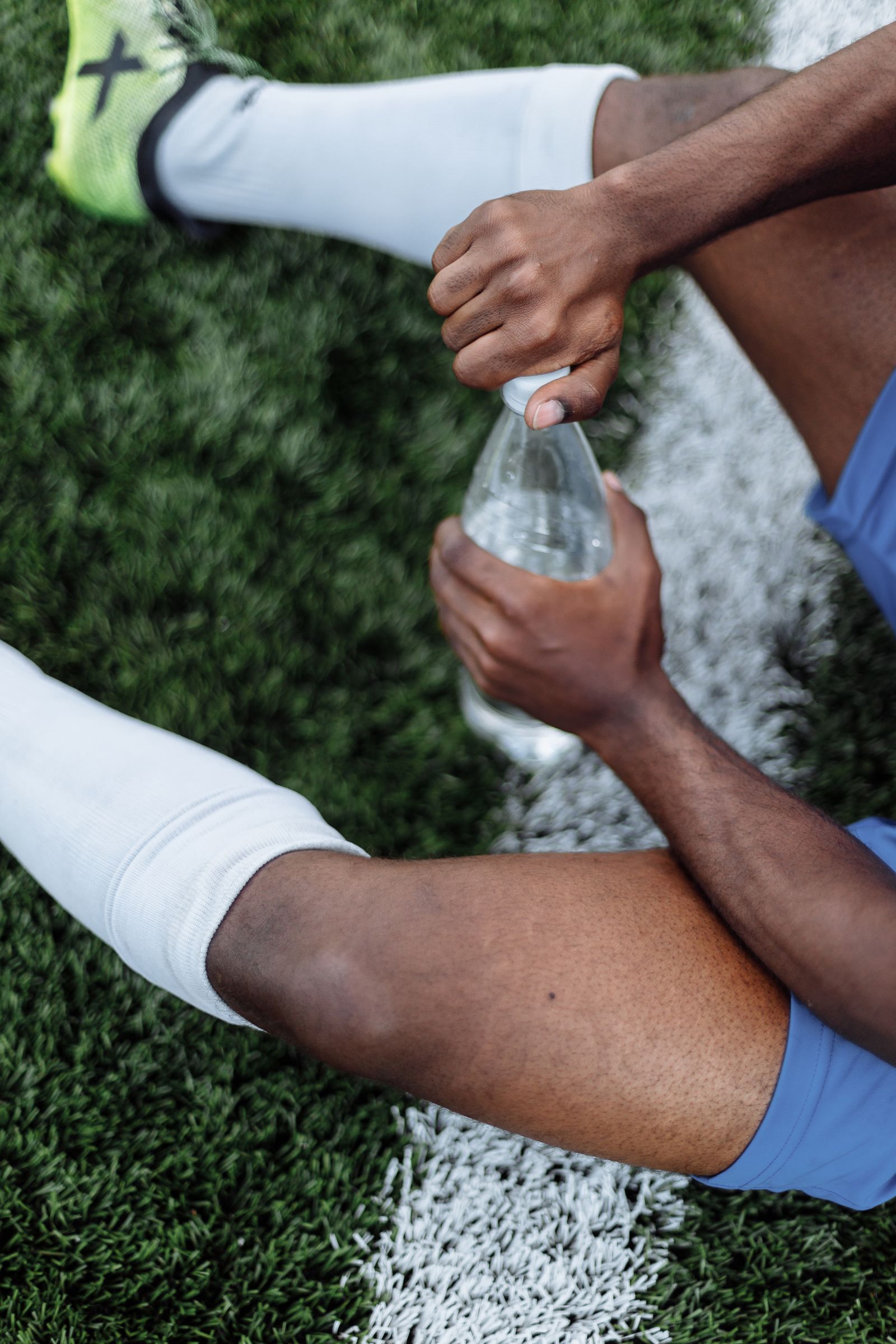
 Water example: Smartwater
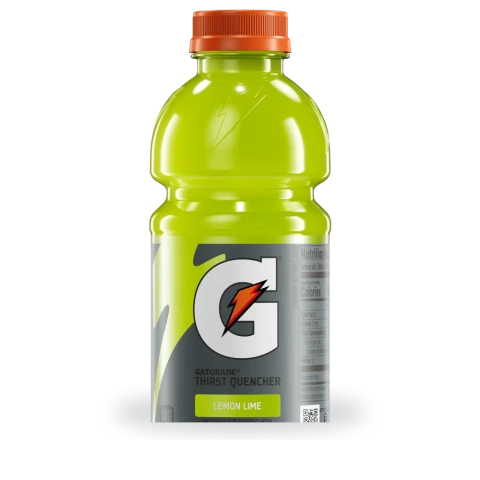 Sports-drink example: Gatorade
Sweat carries heat out of the body; a runner who starts practice already behind on fluid heats up faster, feels the effort harder, and recovers slower.
Sweat rate varies widely between teammates in the same session, so one team number over-serves some athletes and under-serves others; access and breaks scale to everyone.
In new heat the body usually takes a week or two to acclimatize, sweating earlier and more; conservative sessions and extra breaks bridge that window.
Built by an RD who coaches · Luke Rodriguez, MS, RDN · Palmer Ridge HS XCWhen to use this
Preseason or the first hot week, when the team needs a concrete bottle-and-break routine instead of a universal fluid number.
Finish before you close this page
Write the bottle owner, refill location, planned break, and adult who owns the heat or emergency decision.
Done looks like: All four details are confirmed before the session begins.
Advanced lab
Use the fluid routine the athlete has already rehearsed successfully in training. Begin practice or competition normally hydrated, drink according to planned opportunities, environmental conditions, and measured sweat losses when available, and avoid both intentional under-drinking and unnecessary over-drinking. Urine observations, body mass, thirst, and sweat-rate measurements each provide partial information and should be interpreted together rather than used as a single pass/fail test. When measured sweat-rate data are available, the Endurance Fuel Lab provides individualized fluid planning using the athlete's recorded inputs and assumptions.
This team sheet covers logistics. When individual math is useful, the free Endurance Fuel Lab shows measured sweat loss, sweat rate, sodium loss, product servings, fluid replacement, inputs, units, formula, assumptions, interpretation, and limitations. Medical symptoms follow the emergency action plan.
Where to go next
From one handout to a repeatable team system
Coach: Open the matching week, deliver the team talk, assign the staff owner, and verify the written action.
Family: Send the editable family message, share the handout, and keep the same next action visible in the family portal.