Before you start
Use it when
Use before a long training session or race when you want to compare an exact product plan with your hourly targets.
Have ready
- Event and target
- Package labels and quantities
- Optional sweat test and gut-training endpoints
You will get
- Target match and hourly rates
- Pack list and cost
- Calculation record
Three-hour example numbers are loaded
They show how the worksheet works. Replace them with your labels and quantities.
What this tool teaches
Turn what you carry into an hourly race plan
Endurance Fuel Lab gives a result. This is the idea behind it, for the runner, the family, and the coach.
For the runner
- In a long race your body runs low on fuel before the finish.
- The lab adds up what is in your bottles and pockets each hour.
- Then it shows if that hourly amount lands inside the range for your race.
Copy each label once, say how many you will use, then practice the whole plan on a long run first.
For example Priya set a 100-minute race and typed in three chews and one bottle. The lab said she was short of the range, so it added a fourth chew and set her clock every 25 minutes.
Not true: more fuel is always better. Above the range is a stomach problem, not a faster race.
For families
- Type the labels off the packages you actually own, then shop and pack from the pack list it prints, including the cost line.
- Leave the sweat-test and caffeine sections blank unless a physician or dietitian is part of that decision; the plan works on food, drink, and a clock.
- Run it again after every long run with what your runner truly finished. Race numbers should come out of practice, not out of race morning.
- The gut-training table steps the hourly amount up over weeks. That is the schedule for practice runs, not something to jump to on race day.
Try this week Before Saturday's long run, build the plan, buy exactly what the pack list names, and have your runner rehearse it start to finish.
Watch for A runner who cannot practice the plan without stomach trouble, keeps raising the hourly amount to chase a number, or is dizzy, confused, or vomiting on long efforts needs the coach and a clinician. Collapse is the emergency route now.
For the coach
Say this
- Start with what you are carrying, not a number. Enter each package once, then how many, and read the hourly rate it returns.
- The target is a range for the race length. Your long runs decide where inside it you sit; nothing untested goes in the race bag.
- If it says you are short, use the option it prints: one more gel, or one more bottle, then rehearse that exact plan.
- I do not measure anyone. If a trainer or dietitian ran a sweat test with you, add it; otherwise leave that section empty.
Ask themWhat did you actually finish out there, and what stayed in your pocket?
Why it works
Past about an hour, carbohydrate taken during the effort spares limited stores, so the lab converts the packages carried into grams per hour against a duration-based reference.
Tolerance for that rate is trained, not given, which is why the gut-training table steps a runner up over weeks rather than jumping to the race rate.
Fluid, sodium, cost, and every formula stay visible, so the plan gets checked against real packages and rehearsal instead of a rule someone repeated.
Run it with the team
Build it in the preseason meeting for anyone racing over an hour, then run it again after each long run. The pack list lives in the athlete's race binder and the parent's shopping app; I keep only the interval, never a body mass.
Don't say
- “Everyone takes a gel every thirty minutes.” The interval is arithmetic from each runner's own packages, not a team clock.
- “Add caffeine, the pros use it.” That line totals what labels already contain; for a minor it is a family and physician decision.
- “Just eat more out there.” More above the range is where gut trouble starts; the fix is the plan the runner rehearsed.
hourly fuel experiments
What this looks like in real life
Build a measurable carbohydrate-and-fluid trial for one long session, then change one variable at a time from the athlete's notes. The packages shown are recognizable examples, not endorsements. Use the food or drink category as the guide, then check the current label for ingredients and allergens.
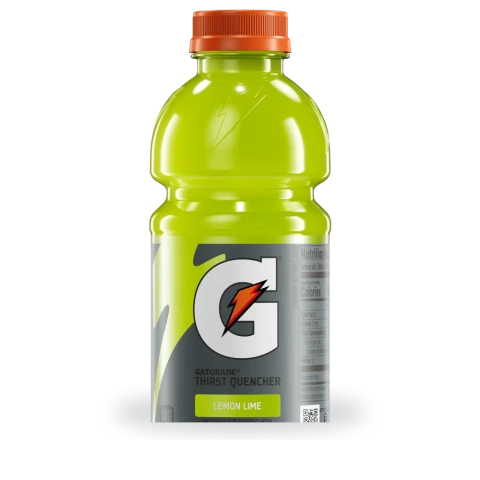
Hydration
Carbohydrate-electrolyte sports drink
Shown: Gatorade Thirst Quencher
Sports-drink example for longer, hotter, or high-sweat sessions.
See current product page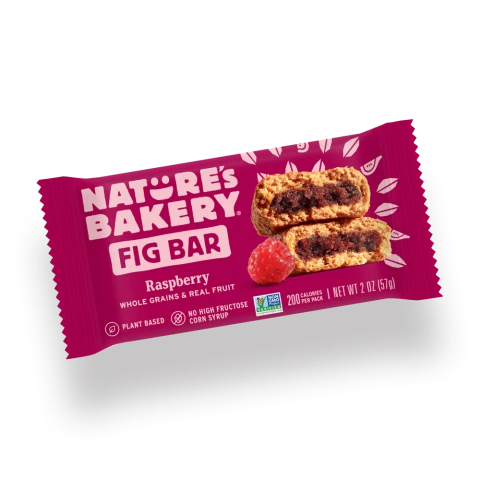
Quick carbs
Packaged fig bars
Shown: Nature's Bakery fig bars
Portable fig-bar example for a familiar pre-practice or travel snack.
See current product page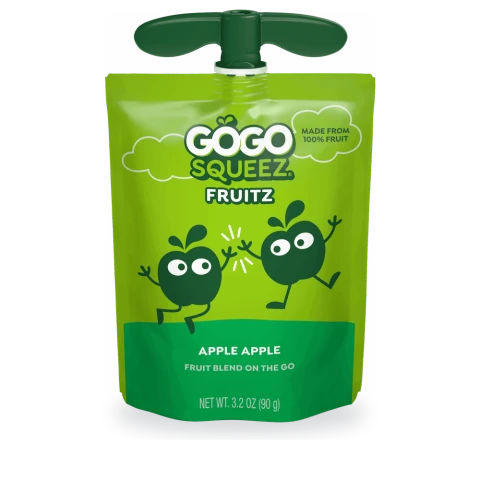
Quick carbs
Applesauce pouch
Shown: GoGo squeeZ applesauce
Portable applesauce pouch for a quick, low-mess carbohydrate option.
See current product pageBrand names and package images make the examples easier to recognize; no brand is required. See image sources and the rights notice.