Loading…
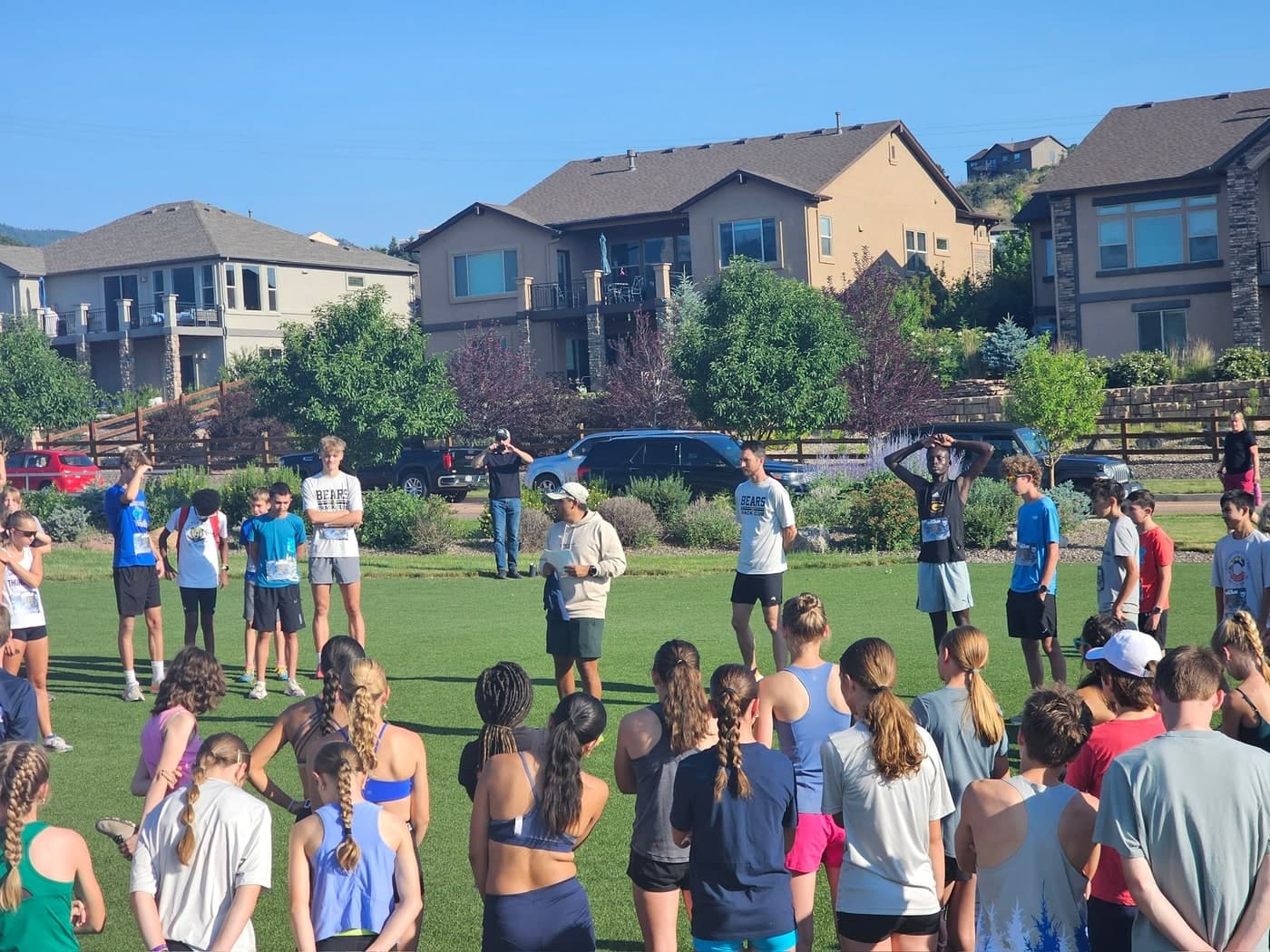
1:1 consults
One athlete, looked at properly.
The rest of this site is written for every runner. A consult is written for yours.
An hour with a registered dietitian who also head-coaches a high school distance program, and a written plan you can run on Monday.
The free call exists to tell you whether this is worth your money. That is all it is for.
Why this exists
The library stops short on purpose.
Anything published here has to be safe for every teenager who reads it, including the one nobody is watching. So it never prints a supplement amount, a lab threshold, or a calorie target. It cannot. It does not know your athlete.
That is a design decision, not a gap we forgot to fill.
A consult is where the specifics live. One athlete, one schedule, one set of symptoms, one conversation. What she eats Friday night before Saturday's meet. What to do about the stomach that quits at mile two. What to put in the bag for a 6am bus. If your physician has already run tests, we talk through what that means for food, and you leave with the questions to take back to them.
Publishing has to be general. Care can be specific. That is the whole difference between the library and this page.
Who books this
Four runners who show up on the calendar.
The runner who is always tired
Training has not changed. She is flat anyway. You want someone qualified to look at the fueling before you blame fitness.
The athlete chasing a spot
Top seven, a state qualifying time, a college roster. The training is there. Food is the part nobody has looked at.
The stomach that quits on race day
It happens at the same point in every race and nobody has worked out why.
The parent who wants a plan
You are done guessing about race weekends, groceries, and what to say at the dinner table.
What we work on
What to eat the night before a specific meet, and what to pack for the bus
Eating around school, practice, and doubles without a 10pm dinner
Hydration and heat, including the athlete who sweats through a singlet
Race-morning stomach trouble
Getting back on track after months of eating too little
What to say to your athlete about food, and what not to say
How it works
Three steps, one plan.
1
Send the background
Book the session, then send training history, the weekly schedule, and what worries you. The hour goes to answers, not paperwork.
2
Meet for an hour
A video call with Luke Rodriguez, MS, RDN. Athletes and parents both welcome. For athletes under 18, a parent joins the call.
3
Get the plan in writing
It lands in your inbox. It is built to use at the next practice and the next race, not to sit in a folder.
What you leave with
A written plan built on your athlete’s real schedule
A race-morning plan for the next meet
A hydration routine for this part of the season
A grocery and packing list for whoever does the shopping
Recovery priorities in plain language
If a doctor needs to be involved, the exact questions to bring
What it costs
Start with one session. Decide the rest later.
Start here
The consult
$150once
We go through training, the schedule, how your athlete is eating now, and anything a doctor has already found. You leave with a written plan.
- 60-minute video call
- A look at what your athlete actually eats
- A written plan afterward
Only if you want it
The season package
$250for 4 sessions
4 follow-up sessions, used any time that season — race week, a flat stretch, coming back from an injury. Not a monthly plan, so there is no billing date telling you when to book and nothing to cancel.
- 4 video sessions, booked when the athlete needs them
- Message support in between
- Race-day plans as meets come up
- Unused sessions roll over to the next season for the same athlete, within 12 months.
Everyone starts with the $150 first visit. That is the assessment, and it is where we decide together whether follow-ups are worth it. Plenty of families never need them. The package is what comes after the first visit, never instead of it.
Where the line is
What a consult is not.
It is nutrition guidance from a registered dietitian. Food, fluids, timing, and a schedule a family can actually run.
It is not a diagnosis. It is not treatment for an eating disorder or any other medical condition.
If suspected RED-S, disordered eating, worrying test results, or symptoms that will not go away come up, the plan says so and names what to bring to your physician. Helping you get that conversation right is part of the work, not a way to hand you off.
For athletes under 18, a parent joins the call. Supplement decisions stay with the family and their physician.
Coaching a whole roster
One athlete, book a consult. A whole program, buy the year.
$250 covers one school for a year. Cross country and track, every coach, and every family on the roster, with a dietitian they can ask all season.
Questions
What people ask before booking.
Is this for teams or for one athlete?
One athlete. Whole programs use Program Access, which is $250 a year for the school. A consult is what you book when one runner needs individual attention. Coaches sometimes book one for a specific athlete, with the family on the call.
Can parents join?
Yes, and we would rather they did. For athletes under 18, a parent joins the call.
Is this medical care?
No. It is nutrition guidance from a registered dietitian. It is not a diagnosis and not treatment for an eating disorder. When something needs a physician, you leave knowing exactly what to raise and with whom.
Can this help before a specific race?
Yes. Race-week and race-morning planning for one meet is the most common reason families book. Give it two weeks if you can, so the plan gets rehearsed in training first.
How do we meet?
Zoom or Google Meet. The plan and any documents come to you in writing after the session.
What about time zones?
Based in Colorado, Mountain Time, working with athletes across the US. Early morning and evening slots exist. Scheduling happens by email right after you book.