A Repeated Drop in Pace, Power, Strength, or Training Tolerance Can Be Part of the Observable Pattern
- Compare the athlete with their own recent pattern
- Do not answer unexplained decline by automatically adding training.
Loading…
Core XC · Module 7
Female and male runners can develop health and performance problems when intake repeatedly does not cover training and normal body function.
No body type, sex, finish time, or food identity rules low energy availability in or out; look for a cluster of changes and respond privately.
Low energy availability can affect distance runners, sprinters, jumpers, throwers, and athletes of every sex; coaches observe, document, communicate, refer, and support the school plan.
Do this:
Try this week: Notice one day this week you almost skipped a meal, and eat it anyway.
Not true: lighter always means faster. Under-fueled runners break down and slow down.
Do these three things this week:
Start with the food category. Tap a package for one recognizable brand example, then swap within the category for access, tolerance, culture, budget, and allergens.


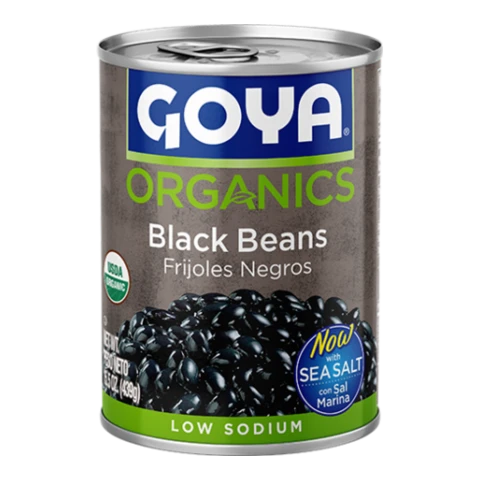






| Athlete Scenario | Observable Pattern | Safe Next Move |
|---|---|---|
| Distance runner | Pace falls while fatigue, illness | Document the pattern |
| Sprinter | Power, strength, recovery | Check access; do not add work to solve it |
| Jumper | Bone pain, recurrent soreness | Stop guessing and use the injury/referral pathway |
| Thrower | Food restriction, rigid rules | Use neutral observations and qualified care |
Relative energy deficiency in sport describes what happens when intake repeatedly falls short of training plus normal body function: the body turns down hormones, bone building, immunity, and recovery.
Coaches see the pattern first because they see the athlete daily, but the pattern is not a diagnosis; a clinician determines cause and treatment.
Naming it as a whole-team topic removes the shame that keeps athletes quiet and makes early reporting normal.
Built by an RD who coaches · Luke Rodriguez, MS, RDN · Palmer Ridge HS XCXC core module 7 of 8
Fatigue, injury, illness, food restriction, mood, or performance changes begin clustering in any runner.
Coach script
“Low energy availability can affect runners of every sex. Coaches notice patterns and protect access; clinicians diagnose and treat.”
Describe the observable pattern without guessing the cause.
Tell a parent or guardian privately and involve the appropriate school health professional.
Let a physician-led team diagnose and set the treatment or participation plan.
Ask the team
Which repeated change would make you ask for help instead of trying to push through?
Message for parents
A cluster of fatigue, recurrent injury, illness, food restriction, mood change, or declining training tolerance deserves a private medical conversation—not more pressure.
Safety boundary: This is a coach-led safety resource, not a general team self-diagnosis exercise. Urgent symptoms follow the school's emergency pathway.
Paired coach action guide
Open the matching five-part guide for observable signs, a conversation script, green-yellow-red decisions, implementation steps, follow-up, and referral boundaries.
Finish before you close this page
Identify the observable concern, the adult receiving it, and the private handoff channel.
Done looks like: The concern is documented without diagnosis, scoring, or a public team conversation.
For adults supporting the athlete
The 2023 IOC consensus defines REDs as a multifactorial clinical syndrome that can affect female and male athletes exposed to problematic low energy availability. One symptom does not prove a diagnosis.
Urgent symptoms, acute medical instability, or immediate safety concerns follow the school's emergency plan. This resource does not diagnose REDs or an eating disorder.
Where to go next
Related athlete-health paths
From one handout to a repeatable team system
Coach: Open the matching week, deliver the team talk, assign the staff owner, and verify the written action.
Family: Send the editable family message, share the handout, and keep the same next action visible in the family portal.
Immediate danger or a medical emergency: call 911. Mental-health crisis support: call or text 988. Eating-disorder screening, treatment search, and support options: current NEDA Get Help center.