Before you start
Use it when
Use once the destination, daily training time, and trip length are known.
Have ready
- Body mass and unit
- Destination elevation
- Daily training time
- Trip length
You will get
- Daily carbohydrate range
- Trip packing total
Make the number useful
- Choose foods the athlete has already tolerated in training.
- Use the daily range as a planning target, then adjust from appetite, training quality, and actual intake.
- For hydration, measure sweat loss in similar conditions instead of applying an unmeasured altitude percentage.
What this tool teaches
Pack the right food for a mountain trip
Altitude Fueling Calculator gives a result. This is the idea behind it, for the runner, the family, and the coach.
For the runner
- Thin mountain air makes your body lean harder on carbs for the same run.
- Up high you often feel less hungry, so it is easy to eat too little.
- The tool turns your trip length into how much food to pack.
Read the trip total with a parent. Pack the bagels, rice, tortillas, and bars you already run on, then eat on the schedule.
For example Ellie's team drove to Leadville for five days. The trip total told her family how much to pack. So she ate oatmeal at 7:00 whether or not she felt hungry.
Not true: you burn the same fuel up high. Thin air usually raises the carb cost of the same run.
For families
- Run it once you know the destination elevation, the daily training minutes, and how many nights you are gone. Enter feet; the tool converts.
- Use the trip total as a shopping list of familiar foods: bagels, tortillas, instant rice, oatmeal packets, fruit, crackers, granola bars, and juice.
- Appetite usually fades above about 8,200 feet, so set clock times for meals and snacks instead of waiting for hunger to show up.
- For drinking, the tool gives no altitude percentage on purpose. Plan bottle access and refill stops for the trip instead.
Try this week Before the next mountain trip, box the packing list at home and label it by day, so nobody shops at a gas station in Leadville.
Watch for Vomiting, a headache that will not ease, or dizziness at altitude means the coach and a clinician that day. Confusion, fainting, or trouble breathing is the emergency route now, not another snack.
For the coach
Say this
- Run this at home with your family before the Summit County trip. You enter your own numbers; I only need to know you have a packing plan.
- Up there you will likely feel less hungry while the same run costs more carbohydrate. Eat on the schedule, not on appetite.
- Nothing new on the trip. The trip total says how much of your usual food to bring, not which new food to try.
- Bottles come out of the bus at every stop. There is no altitude drinking formula, so we plan refills instead.
Ask themWhat did you actually eat at breakfast up there, and when?
Why it works
At altitude the body leans harder on carbohydrate for the same work while appetite and thirst usually fall, so intake drifts down as demand drifts up.
No validated equation converts elevation into a percentage, so the tool matches the range to daily training minutes and plans from its upper half at or above 2,500 meters.
That threshold is about 8,200 feet, so a Leadville or Summit County trip crosses it while Alamosa and a Denver meet do not.
Run it with the team
Two weeks before an altitude trip I hand the link out at Monday practice; each family runs it at home that week and packs a labeled box. The team manager checks the boxes onto the bus. I see the boxes, never anyone's entries.
Don't say
- “Add twenty percent for altitude.” No validated equation exists; the tool matches training minutes and plans from the upper half instead.
- “Drink double up there.” There is no universal altitude fluid formula; plan bottle access and scheduled refill stops for the trip instead.
- “Eat when you get hungry up there.” Appetite usually falls at altitude, which is the exact reason the trip plan runs on a clock.
altitude adjustment
What this looks like in real life
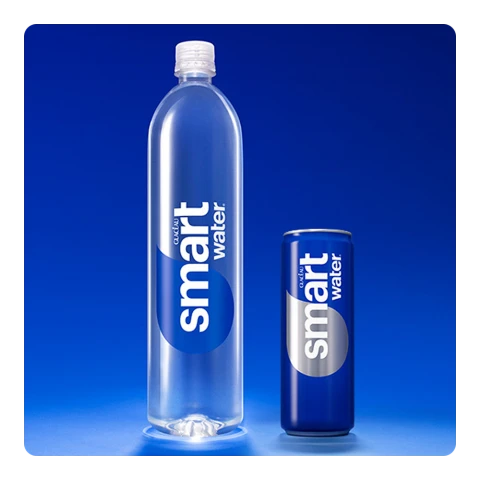
Examples that keep the athlete hydrated and carb-fed while they adapt to altitude, dry air, and appetite changes. The packages shown are recognizable examples, not endorsements. Use the food or drink category as the guide, then check the current label for ingredients and allergens.
Hydration
Bottled water
Shown: smartwater Original
Plain bottled-water example for routine fluid access at school, practice, or meets.
See current product page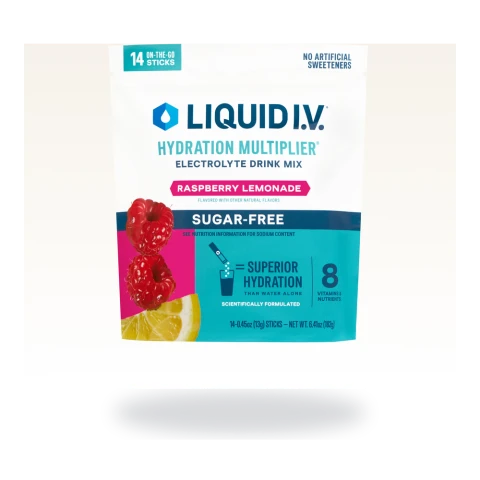
Hydration
Electrolyte drink mix
Shown: Liquid I.V. Hydration Multiplier
Electrolyte-packet example for situations where it fits the athlete's plan.
See current product page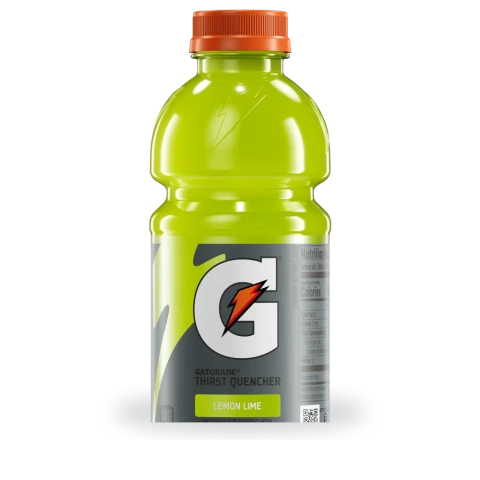
Hydration
Carbohydrate-electrolyte sports drink
Shown: Gatorade Thirst Quencher
Sports-drink example for longer, hotter, or high-sweat sessions.
See current product pageBrand names and package images make the examples easier to recognize; no brand is required. See image sources and the rights notice.
Where to go next