Before you start
Use it when
Use after the event schedule is final and before packing the meet bag.
Have ready
- Body mass
- Event start times
- Event durations
You will get
- Recovery-window total
- Timed feedings
- Event 2 fuel
Build the meet bag from the timeline
- Divide the calculated grams among familiar foods or drinks and label each portion with its planned time.
- Use lower-fat, lower-fiber choices when the gap is short if that is what the athlete tolerates.
- Rehearse the same timing at practice before using the plan at a championship meet.
What this tool teaches
Refuel between your two races on a clock
Multi-Event Nutrition Timeline gives a result. This is the idea behind it, for the runner, the family, and the coach.
For the runner
- Racing uses up the fuel stored in your legs.
- The gap before your next race is when you put it back.
- Waiting until the meet is over is too late for race two.
Start eating soon after race one, follow the times it lists, and use only snacks you tried at practice.
For example Kayla runs the 1600 at 9 and the 800 at 1. The tool told her to start eating at 9:35, then again each hour through 12:35.
Not true: eating between races is what makes you cramp.
For families
- Enter the real start times and honest durations. The tool schedules the first snack fifteen minutes after event one ends, then hourly.
- Split the between-event total across familiar foods and label each bag with its clock time, so the meet bag runs itself.
- A short gap means smaller, plainer snacks. Past four hours the tool says the total is planning math rather than a rule.
- The last feeding lands at least fifteen minutes before event two, so nothing new arrives in the stomach on the line.
Try this week Rehearse the timeline at Tuesday's double, using the same bags and clock times you plan to use at the meet.
Watch for A runner who cannot keep anything down between events, who is dizzy or shaky before the second race, or who refuses all food between races most meets needs the coach and the pediatrician.
For the coach
Say this
- Put in both start times and how long each event really takes. The clock it builds starts fifteen minutes after your first finish.
- The number is a range, not a rule. Your rehearsed snacks fill it, and a short gap means plainer and smaller.
- We rehearse this at Tuesday's double before we trust it at conference. Nothing enters the meet bag that has not been practiced.
- If the heat sheet moves your second event, re-run it. The plan changes when the gap changes.
Ask themWhat did you eat between races the last time you doubled?
Why it works
Muscle fuel spent in the first event refills fastest in the hours right after it, so the tool schedules carbohydrate early and hourly instead of one large meal.
A short gap favors small, low-fat, low-fiber portions the gut can clear before the gun, and the event-two fuel line stays at zero unless that event runs long enough to need it.
Past four hours the source range is being stretched beyond where it was studied, and the tool says so rather than presenting the same confidence.
Run it with the team
Run it at Thursday's meet-entry meeting once the heat sheet is out. Each athlete owns their own labeled bags; a captain checks that every doubler has one before the bus loads.
Don't say
- “Eat nothing between races or you will cramp.” An empty gap usually leaves the second race underfueled; small rehearsed portions are the plan.
- “Same gel for everybody at the same minute.” The clock is shared; the food and the amount are each runner's own rehearsed plan.
all-day multi-event fueling timelines
What this looks like in real life
Layered examples for the first event, mid-day refeed, and late-event survival so the timeline feels built for multis, not generic race fuel. The packages shown are recognizable examples, not endorsements. Use the food or drink category as the guide, then check the current label for ingredients and allergens.
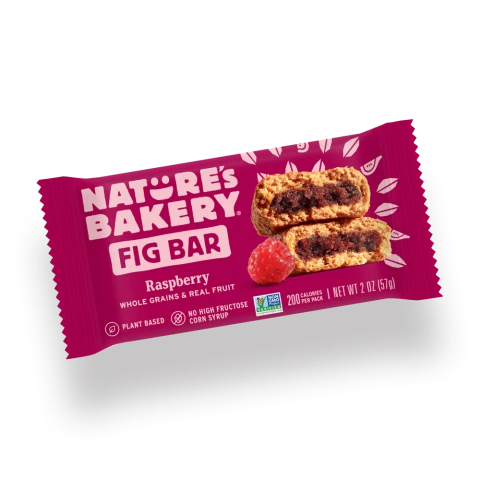
Quick carbs
Packaged fig bars
Shown: Nature's Bakery fig bars
Portable fig-bar example for a familiar pre-practice or travel snack.
See current product page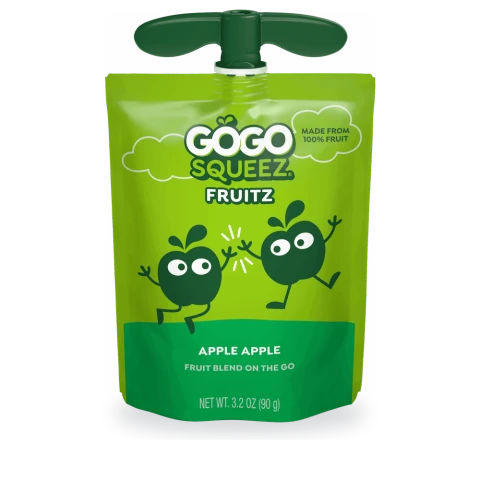
Quick carbs
Applesauce pouch
Shown: GoGo squeeZ applesauce
Portable applesauce pouch for a quick, low-mess carbohydrate option.
See current product page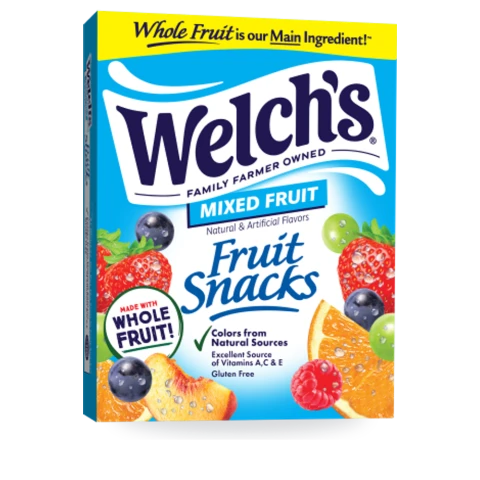
Quick carbs
Fruit snacks
Shown: Welch's Mixed Fruit Snacks
Quick backup carbohydrate example for a meet bag or snack locker.
See current product pageBrand names and package images make the examples easier to recognize; no brand is required. See image sources and the rights notice.
Where to go next