Before you start
Use it when
Open when a meet lands on the calendar, then work top to bottom.
Have ready
- The meet date, travel plan, and expected event schedule
- Any food, refill, bathroom, or recovery access still unconfirmed
You will get
- A guided race-week sequence
- Direct links to each planning tool
7–4 days out
Build the week
Put the athlete’s known meals, school schedule, travel, and food access in one place. Race week should make familiar routines easier to execute.
Produces: Dated meal, snack, and access plan
3–2 days out
Set the familiar food plan
Use foods the athlete already tolerates and decide meals and snacks before the schedule gets busy.
Produces: Meal, snack, and logistics plan for the week
All week, especially 48 hours out
Run the hydration plan
Start from normal fluid access, then adjust logistics for the forecast, venue rules, planned breaks, and the athlete’s practiced routine.
Produces: Before/during/after plan + team text + parent packing note
Night before + race morning
Lock in race morning
Set wake-up, travel, bathroom access, the familiar main meal, optional practiced top-offs, warm-up, and the gun time before race morning.
Produces: Hour-by-hour timeline + coach team text + parent notes
Night before
Pack the bag
Everything decided the night before is one less decision on a nervous morning.
Produces: Printable packing checklist
After the finish and before the next demand
Close with recovery
The shorter the turnaround to the next race or training session, the more useful it is to begin replacing carbohydrate, protein, and fluid promptly. The calculator shows the range and arithmetic.
Produces: Calculated recovery range plus familiar food examples
By Saturday morning you will have
- • A dated meal-and-access plan
- • Calculated targets where the athlete chooses to use them
- • A hydration plan matched to the forecast
- • The race morning timeline, hour by hour
- • Team and parent notes ready for review and copying
- • A packed bag and a recovery plan
Use this in practice
- Open the playbook when the meet lands on the calendar and work top to bottom — steps 1 and 2 once, step 3 against the weather, steps 4–6 in the final 24 hours.
- Each step ends with something to print or copy. Review the output, then choose what to post or send.
- Bookmark it for the season: same six steps, every meet.
Evidence behind the sequence
The linked calculators carry the exact formula and source for their outputs. This sequence follows consensus guidance to match food and fluid type, amount, and timing to the training or competition scenario.
Academy of Nutrition and Dietetics, Dietitians of Canada, and ACSM joint position statementWhat this tool teaches
Walk through race week one step at a time
Race Week Playbook gives a result. This is the idea behind it, for the runner, the family, and the coach.
For the runner
- A good race is built days before the gun, one small step at a time.
- The playbook lines the steps up so nothing gets decided on a nervous morning.
- Your part of it is short: the breakfast, the bottle, and the bag.
Open it the day the meet lands on the calendar and go in order; the last two steps happen the night before.
For example Diego opened the playbook Monday for Saturday's meet. Steps one and two set his week. Thursday the forecast turned hot, so step three added a second bottle and a refill point.
Not true: race week starts when you wake up on race day.
For families
- Steps one and two run once, early in the week. Step three moves with the forecast. Steps four through six happen in the last twenty-four hours.
- Each step ends with something to print or send: the week plan, the hydration note, the race-morning timeline, and the packing list.
- The conditions row at the top is a shortcut. A hot forecast, a nervous stomach, or an altitude meet each jumps you to the right guide.
- Bookmark it. The six steps are the same every meet, so the second race week takes half the time.
Try this week Print the packing list on Thursday and have your runner load the bag Friday night, before the alarm makes anyone decide anything.
Watch for Meet weeks that keep producing the same trouble, such as skipped meals, a runner who dreads the food plan, or a stomach that fails every race, belong with the coach and the pediatrician, not another checklist.
For the coach
Say this
- Meet is on the calendar, so the playbook is open. Steps one and two this week; Thursday we check the forecast.
- Every step ends with something you can print. Your family gets the week plan and the packing list; you get the race-morning clock.
- Same six steps every meet. By the third race week you will not need me to start it for you.
Ask themWhich step did you skip last meet, and what went wrong because of it?
Why it works
The playbook owns no nutrition math; it sequences the planner, hydration, race-morning, packing, and recovery tools so each decision is made once its inputs are known.
Consensus guidance matches food and fluid type, amount, and timing to the scenario, so the forecast check waits until the forecast exists and recovery waits until the turnaround is known.
Altitude and a cold Colorado bus change fluid and access, not the sequence, which is why conditions sit in a separate row rather than inside a step.
Run it with the team
Post the link in the team message the Monday of every meet week and work it top to bottom in the Thursday huddle. The packing list lives in the bus binder; a captain reads it aloud Friday. Families own steps one through five.
Don't say
- “We will figure out food at the meet.” Everything decided the night before is one less decision on a nervous morning.
- “Skip hydration, it is only a 5K.” Refills, breaks, and shade are planned for the whole meet day, not the race distance.
seven-day race-week execution
What this looks like in real life
Connect the week's training changes to daily meals, hydration, final-day carbohydrate, and the race-morning plan instead of treating race week as one dinner. The packages shown are recognizable examples, not endorsements. Use the food or drink category as the guide, then check the current label for ingredients and allergens.

Quick carbs
Packaged fig bars
Shown: Nature's Bakery fig bars
Portable fig-bar example for a familiar pre-practice or travel snack.
See current product page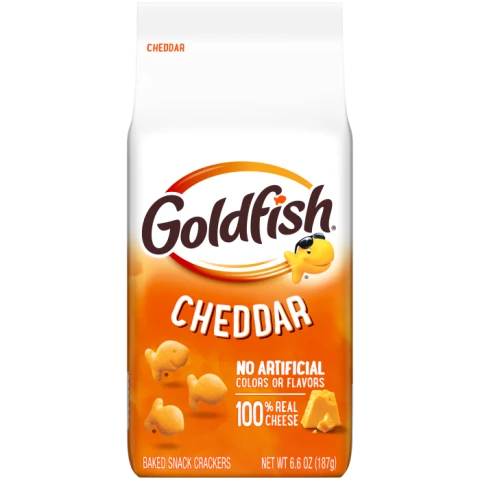
Snack shelf
Cheese crackers
Shown: Goldfish Cheddar crackers
Familiar salty carbohydrate for backpacks, buses, or sidelines.
See current product page
Snack shelf
Shelf-stable energy bar
Shown: CLIF BAR Chocolate Chip
Shelf-stable bar example for longer gaps between food access.
See current product pageBrand names and package images make the examples easier to recognize; no brand is required. See image sources and the rights notice.
Where to go next