Before you start
Use it when
Use when energy, recovery, injury, menstrual function, mood, eating, or performance changes are raising concern.
Have ready
- Observed health, recovery, fueling, and behavior changes
You will get
- Observation summary
- Copyable notes and referral next step
How to use this
Record what has been observed, then choose a safe next conversation.
This Aspire workflow does not reproduce the physician-led IOC REDs CAT2. It does not assign clinical severity or tell a coach whether an athlete may participate.
Best for
Coach or parent check-in
Next step
Discuss or refer safely
Acute medical warning signs
Fainting, chest pain, confusion, severe weakness, or rapidly worsening symptoms
Unintentional weight or growth change
Noticeable change, clothes fitting differently, or concern about expected growth
Bone stress injury or repeated bone pain
A diagnosed or suspected bone stress injury, or recurring focal bone pain
Menstrual cycle change
New missed or irregular periods, or loss of a previously regular cycle
What this tool teaches
Write down what has changed, not a guess
RED-S Signs and Referral Check gives a result. This is the idea behind it, for the runner, the family, and the coach.
For the runner
- Some changes are worth a doctor's eyes: bone pain, always cold, weeks of feeling worn out.
- The check writes those down so a doctor can find out why.
- It gives no score and no label, because a guess is not help.
Answer yes or no honestly, then hand the printed notes to a parent so your family can call your doctor.
For example Priya had a bone stress injury and had been cold and tired for weeks. The check gave her no score. It printed her notes, and her parents took them to the doctor before Tuesday's practice.
Not true: a low number of boxes checked means everything is fine.
For families
- The result is a list of what was observed plus a next step, never a diagnosis. Print the notes and bring them to the pediatrician.
- One priority sign alone, such as a bone stress injury, a missed period, or restrictive eating, means a prompt visit. The count need not be high.
- Nothing is saved and no name is asked, so the printed page is the only copy. Running it again in a few weeks shows the clinician a trend.
- A clean check clears nobody. It rules nothing out, and it is not a participation decision.
Try this week Save the pediatrician's number and the athletic trainer's number in your phone tonight, so a priority sign turns into a call, not a search.
Watch for Any priority sign, or other signs that persist for weeks, means a pediatrician visit this week, adding a sports dietitian and mental-health support when eating or body image is involved; fainting, chest pain, or confusion is the emergency route now.
For the coach
Say this
- There is no score on this. It writes down what I have noticed and tells me who to call next, and that is all.
- Your name is not on it and nothing is saved. The notes go to your family, and your family and your doctor decide what they mean.
- I am not telling you what this is or what to take. I do not name a cause and I do not hand out products.
- If you fainted or your chest hurt, we are not filling out a form. We are following the emergency plan right now.
Ask themWhat have you noticed changing lately that you have not told anyone about?
Why it works
The tool refuses to score because a number invites a coach to rank or clear an athlete; instead a single priority or urgent sign routes the case on its own.
Real assessment is physician-led and multidisciplinary, so the output is a private observation note for that team; the coach's job ends at observe, tell the family, and refer.
Low energy availability shows up as a cluster of observable changes long before any test would, which is why thirteen plain observations beat one clever question.
Run it with the team
I run it alone, the same evening I notice something, never with the athlete watching a screen. The printed note goes to the parent that week and nowhere else. No copy stays in my folder, and no assistant sees it.
Don't say
- “Three flags, so it is probably RED-S.” The count is not a severity score, and naming a cause is the clinical team's job.
- “No flags, so you are cleared to race.” A clean check rules nothing out; participation decisions belong to the clinical team.
- “Try this product and see if it helps.” A coach never recommends or supplies anything here; the physician and dietitian decide.
RED-S observation context
What this looks like in real life
Practical visuals for under-fueling, bone stress, and food support so a referral conversation can connect observations to real athlete health patterns. The packages shown are recognizable examples, not endorsements. Use the food or drink category as the guide, then check the current label for ingredients and allergens.

Breakfast
Fortified breakfast cereal
Shown: Original Cheerios cereal
Recognizable fortified-cereal example for breakfast; check the current box label.
See current product page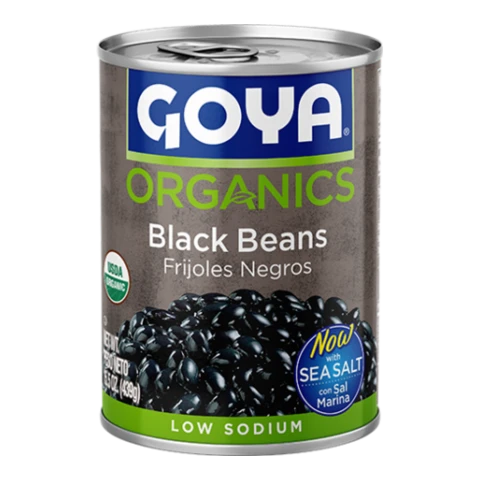
Meal base
Canned black beans
Shown: Goya Organic Black Beans
Canned-bean example for plant-based meals and iron-containing food variety.
See current product page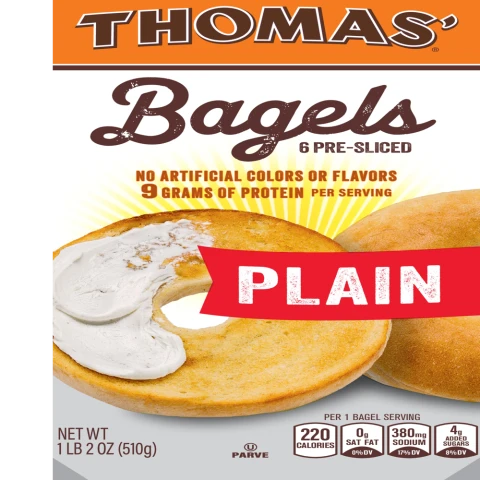
Meal anchor
Plain bagel
Shown: Thomas' plain bagels
Recognizable bagel option for breakfast or a practiced pre-event meal.
See current product pageBrand names and package images make the examples easier to recognize; no brand is required. See image sources and the rights notice.
Where to go next