

Aspire guide
Supplements & Recovery
Supplements & Recovery manual
Immune Support for Athletes
Food-first strategies to support immunity during heavy training, travel, and recovery.
Why this matters
Read time
3 min
Audience
Athlete + Coach
Use it for
Supplements & Recovery
Start here
Immune support is mostly a recovery systems issue.
Coach prompt
During hard blocks, check lunch, recovery food, and sleep before asking about immune supplements.
Quick reference
Topic snapshot
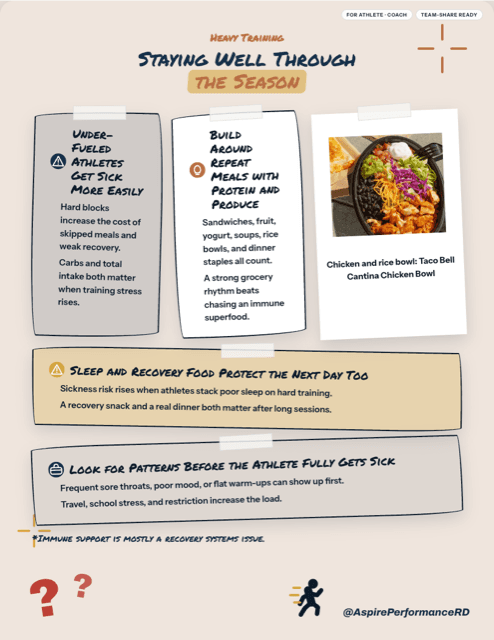
The printed sheet
Read time
3 min
Audience
Athlete + Coach
Best next move
Use it this week
During hard blocks, check lunch, recovery food, and sleep before asking about immune supplements.
Quick reference map
Use the topic like a clear checklist
In the library
Format
Read the topic here, then download the PDF only when you need an offline copy.
Best use
Open the sections you need, then share the same topic link with coaches, parents, or athletes.
Recognizable options
What this can look like at the store
These are familiar examples, not a required shopping list. Use the food category to find an option that fits your athlete, budget, and allergy needs.
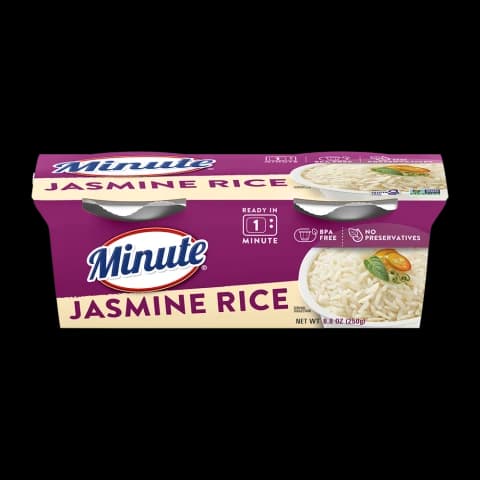
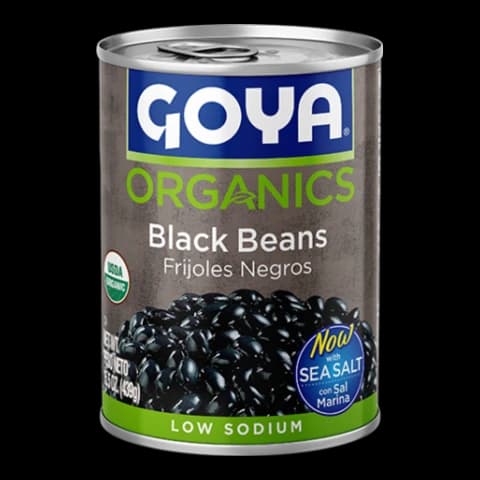
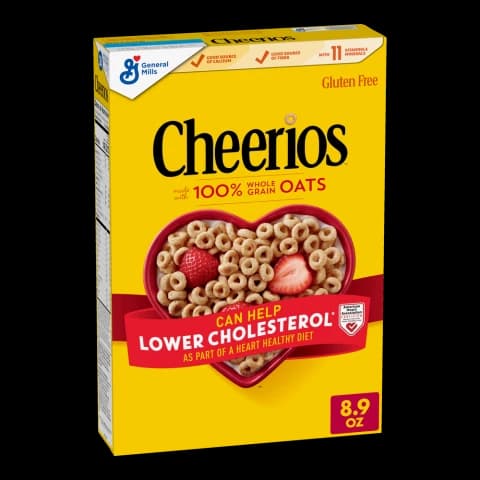
Brands are shown only as concrete examples, not endorsements. Ingredients, labels, and availability can change; check the current package for allergens and fit. Image sources and rights notice.
Quick start
Start here
Food-first strategies to support immunity during heavy training, travel, and recovery.
Enough energy
Under-fueled athletes get sick more easily
- Hard blocks increase the cost of skipped meals and weak recovery.
- Carbs and total intake both matter when training stress rises.
Daily food
Build around repeat meals with protein and produce
- Sandwiches, fruit, yogurt, soups, rice bowls, and dinner staples all count.
- A strong grocery rhythm beats chasing an immune superfood.
Recovery load
Sleep and recovery food protect the next day too
- Sickness risk rises when athletes stack poor sleep on hard training.
- A recovery snack and a real dinner both matter after long sessions.
Context
Overview
TL;DR
- Athletes usually get sick more from stacked stress, poor sleep, under-fueling, and travel than from training alone.
- Immune support starts with enough food, enough carbohydrate around hard work, enough protein, and consistent hydration.
- Produce, dairy or fortified alternatives, iron-rich foods, and fermented foods all help cover common nutrition gaps.
- Supplements may have a role in specific situations, but they are not stronger than the basics.
Coach line
TL;DR
Heavy training only becomes a problem when recovery is weak
Most athletes can handle hard training. What they do not handle well is hard training plus low intake, poor sleep, school stress, travel, and exposure to every coughing teammate in the van. That is why immune support needs to be framed as a recovery system, not a vitamin shopping list.
When an athlete gets sick repeatedly, the useful questions are usually simple. Are they eating enough? Are they sleeping enough? Are they traveling often? Are hard sessions followed by real recovery meals? Those answers tend to matter more than any single nutrient.
Unlock the rest of the manual
Full access opens every section and the ebook PDF.
What to do next
Use it this week
During hard blocks, check lunch, recovery food, and sleep before asking about immune supplements.
Related tool
Supplement red flags
Keep recovery food-first and spot the marketing claims worth ignoring.
Read supplement red flagsSource topics
immune • illness • prevention • vitamin C • zinc