

Aspire guide
Team Resources
Team Resources manual
Fueling the School Day: The Five-Hour Gap
A complete breakfast-to-recovery plan for the real high-school day, including cafeteria food, packed food, limited storage, low-cost options, and a last-bell backup.
Why this matters
Read time
26 min
Audience
Athlete + Coach + Parent
Use it for
Team Resources
Start here
The goal is not a perfect menu; it is a complete school day the athlete can repeat tomorrow.
Coach prompt
Which eating opportunity is missing, and what is the exact access fix?
Quick reference
Topic snapshot
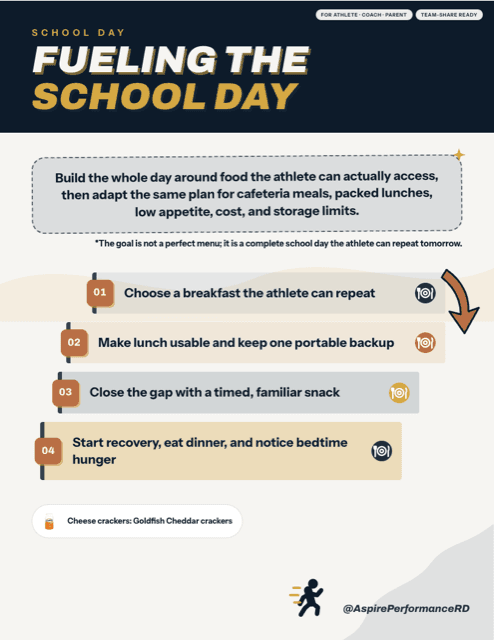
The printed sheet
Read time
26 min
Audience
Athlete + Coach + Parent
Best next move
Use it this week
Which eating opportunity is missing, and what is the exact access fix?
Quick reference map
Use the topic like a clear checklist
In the library
Format
Read the topic here, then download the PDF only when you need an offline copy.
Best use
Open the sections you need, then share the same topic link with coaches, parents, or athletes.
Recognizable options
What this can look like at the store
These are familiar examples, not a required shopping list. Use the food category to find an option that fits your athlete, budget, and allergy needs.
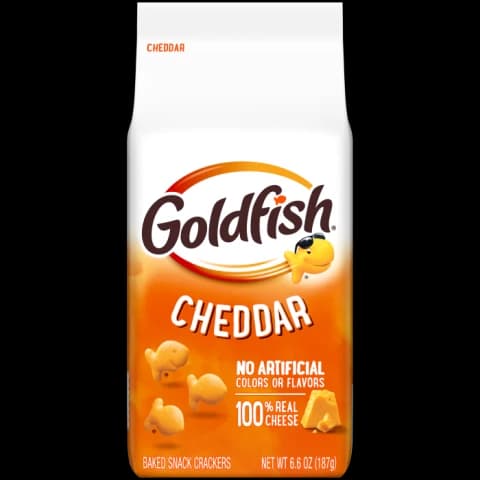
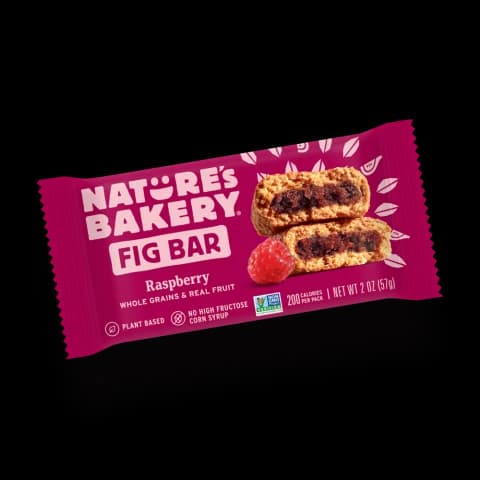
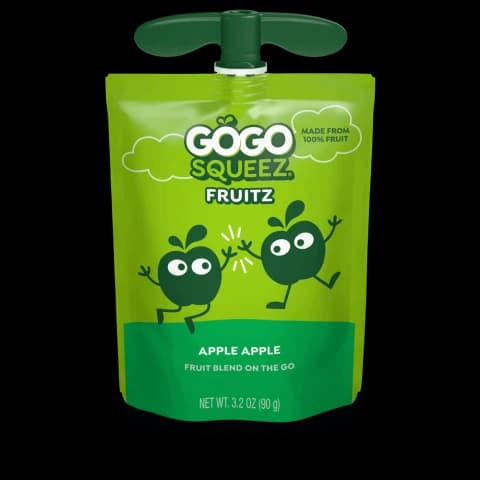
Brands are shown only as concrete examples, not endorsements. Ingredients, labels, and availability can change; check the current package for allergens and fit. Image sources and rights notice.
Quick start
Start here
A complete breakfast-to-recovery plan for the real high-school day, including cafeteria food, packed food, limited storage, low-cost options, and a last-bell…
Before school
Choose a breakfast the athlete can repeat
- Choose cereal, toast, a bagel, oatmeal, fruit, yogurt, or a small drink.
- Low appetite calls for less volume, not an empty morning.
School hours
Make lunch usable and keep one portable backup
- At lunch, include a familiar starch, protein food, and drink.
- No fridge or microwave means shelf-stable food packed before school.
Before practice
Close the gap with a timed, familiar snack
- With more time, eat a larger snack; close to practice, use easy carbs.
- If food was forgotten, use the planned school or team backup.
Context
Overview
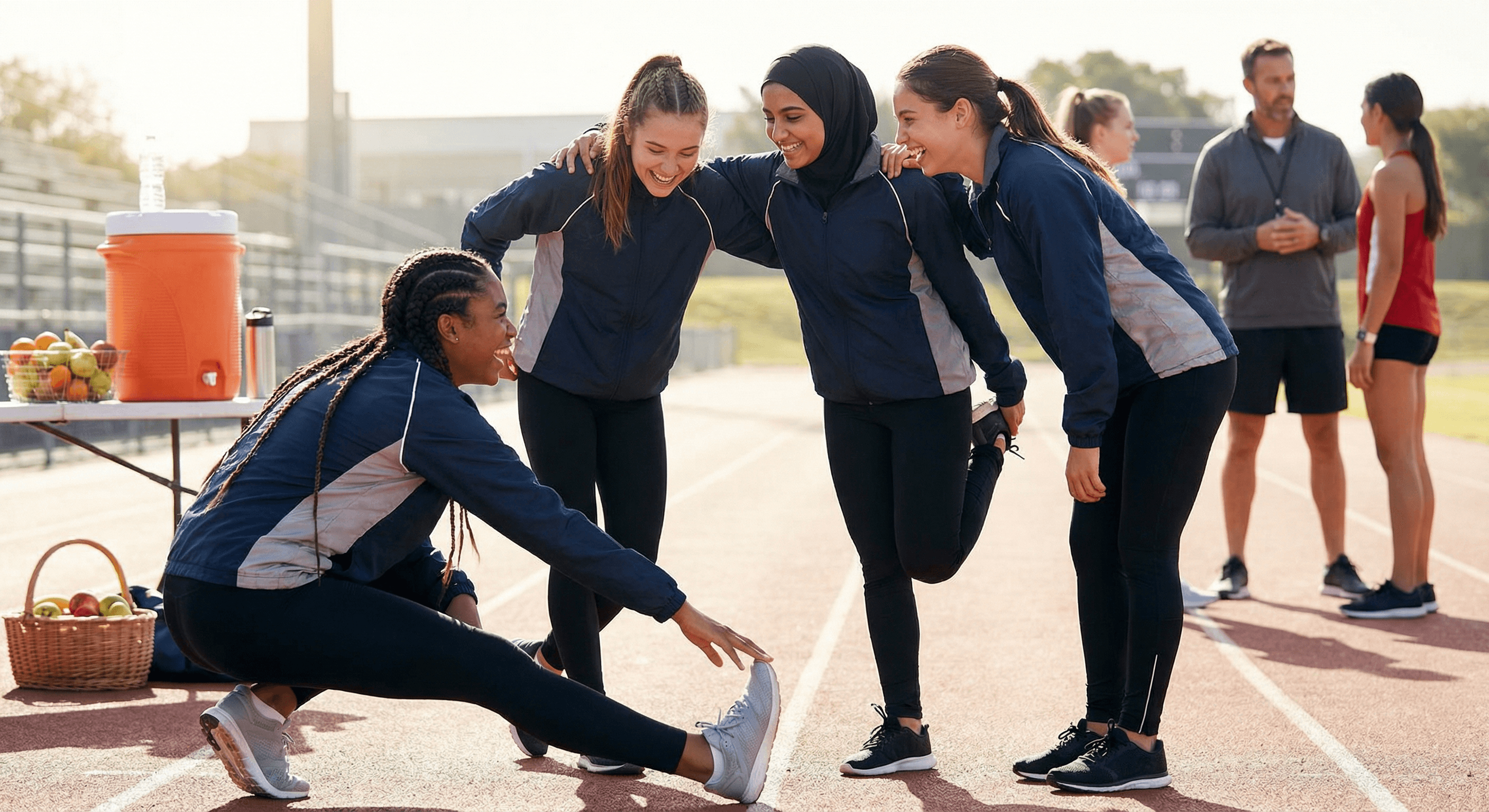
Start with the whole day
The problem is rarely just one missing granola bar. Write one realistic choice at each point, using food the athlete can actually reach.
Brands shown on the printable sheet are package-recognition examples, not required purchases. Swap within the food category for allergies, culture, budget, cafeteria availability, and athlete tolerance.
School-day point
First choose a food category
Familiar examples
Breakfast
Grain or other carbohydrate + protein food + drink
Fortified cereal and milk; bagel with peanut butter; oatmeal and yogurt
School lunch
Main carbohydrate + protein food + available sides
Cafeteria entrée with fruit and milk; rice bowl; packed sandwich and applesauce
Last-bell snack
Portable carbohydrate, with protein when comfortable
Fig bar; cheese crackers; pretzels and string cheese; applesauce pouch and granola bar
Practice hydration
Filled bottle and known refill point
Water for ordinary access; a familiar sports drink can be an option for longer or hotter sessions
First recovery food
Carbohydrate + protein bridge, then the next meal
Chocolate milk and a bagel; yogurt and cereal; sandwich and fruit; leftovers
Unlock the rest of the manual
Full access opens every section and the ebook PDF.
Evidence
References
The sources behind this topic. Where a citation carries a link, it opens the record so you can check the original.
- 1.Thomas DT, Erdman KA, Burke LM. American College of Sports Medicine Joint Position Statement. Nutrition and Athletic Performance. Med Sci Sports Exerc. 2016;48(3):543-568.PubMed 26891166
- 2.Desbrow B, McCormack J, Burke LM, et al. Sports Dietitians Australia position statement: sports nutrition for the adolescent athlete. Int J Sport Nutr Exerc Metab. 2014;24(5):570-584.
- 3.Desbrow B. Youth Athlete Development and Nutrition. Sports Med. 2021;51(Suppl 1):3-12.
- 4.Purcell LK; Canadian Paediatric Society, Paediatric Sports and Exercise Medicine Section. Sport nutrition for young athletes. Paediatr Child Health. 2013;18(4):200-202.
- 5.Jeukendrup AE. Training the gut for athletes. Sports Med. 2017;47(Suppl 1):101-110.
- 6.Burke LM, van Loon LJC, Hawley JA. Postexercise muscle glycogen resynthesis in humans. J Appl Physiol. 2017;122(5):1055-1058.
- 7.Committee on Nutrition and the Council on Sports Medicine and Fitness. Sports drinks and energy drinks for children and adolescents: are they appropriate? Pediatrics. 2011;127(6):1182-1189.
- 8.Mountjoy M, Ackerman KE, Bailey DM, et al. IOC consensus statement on Relative Energy Deficiency in Sport (REDs): 2023 update. Br J Sports Med. 2023;57(17):1073-1097.
- 9.U.S. Department of Agriculture, Food and Nutrition Service. Smart Snacks in School: nutrition standards for competitive foods sold to students on the school campus during the school day, established under the Healthy, Hunger-Free Kids Act of 2010.
- 10.U.S. Department of Agriculture, Food and Nutrition Service. National School Lunch Program Afterschool Snack Service; Child and Adult Care Food Program At-Risk Afterschool Meals; Community Eligibility Provision.
What to do next
Use it this week
Which eating opportunity is missing, and what is the exact access fix?
Related tool
Reviewed tools
Choose a live tool after the team calendar and responsibilities are confirmed.
Browse reviewed toolsSource topics
school day fueling gap • lunch to practice gap • closed campus nutrition • vending machine athlete snacks • team snack norm • afterschool snack program