Aspire guide
Specific Populations
Specific Populations manual
Vegetarian & Vegan Runners
Complete nutrition for plant-based runners including protein and iron sources.
Why this matters
Complete nutrition for plant-based runners including protein and iron sources.
Read time
5 min
Audience
Athlete + Coach
Use it for
Specific Populations
Start here
Plant-based runners need structure, not a perfect menu.
Coach prompt
Ask the athlete to name one breakfast, one lunch, and one recovery meal they can repeat this week.
Quick reference
Topic snapshot
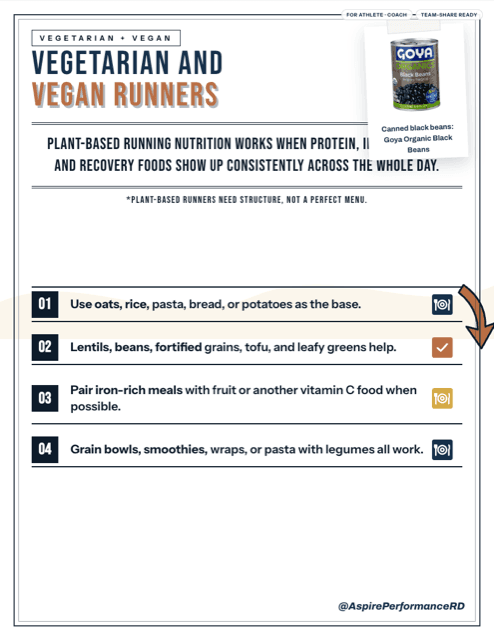
The printed sheet
Read time
5 min
Audience
Athlete + Coach
Best next move
Use it this week
Ask the athlete to name one breakfast, one lunch, and one recovery meal they can repeat this week.
Quick reference map
Use the topic like a clear checklist
In the library
Format
Read the topic here, then download the PDF only when you need an offline copy.
Best use
Open the sections you need, then share the same topic link with coaches, parents, or athletes.
Recognizable options
What this can look like at the store
These are familiar examples, not a required shopping list. Use the food category to find an option that fits your athlete, budget, and allergy needs.
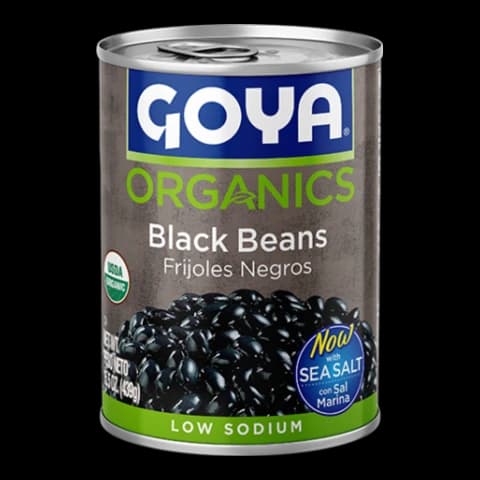
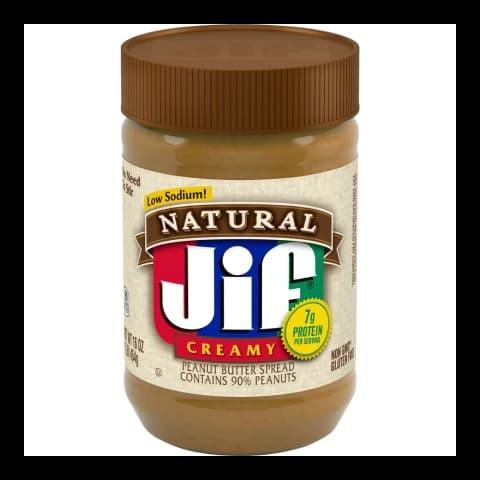
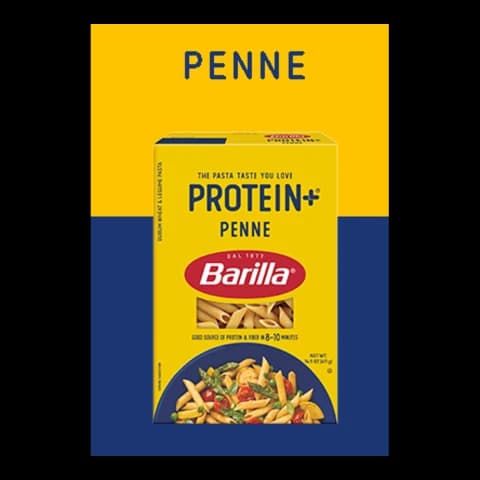
Brands are shown only as concrete examples, not endorsements. Ingredients, labels, and availability can change; check the current package for allergens and fit. Image sources and rights notice.
Quick start
Start here
Complete nutrition for plant-based runners including protein and iron sources.
Build meals
Start with carbs, then add a real protein source
- Use oats, rice, pasta, bread, or potatoes as the base.
- Add tofu, beans, lentils, soy milk, yogurt, eggs, or cheese.
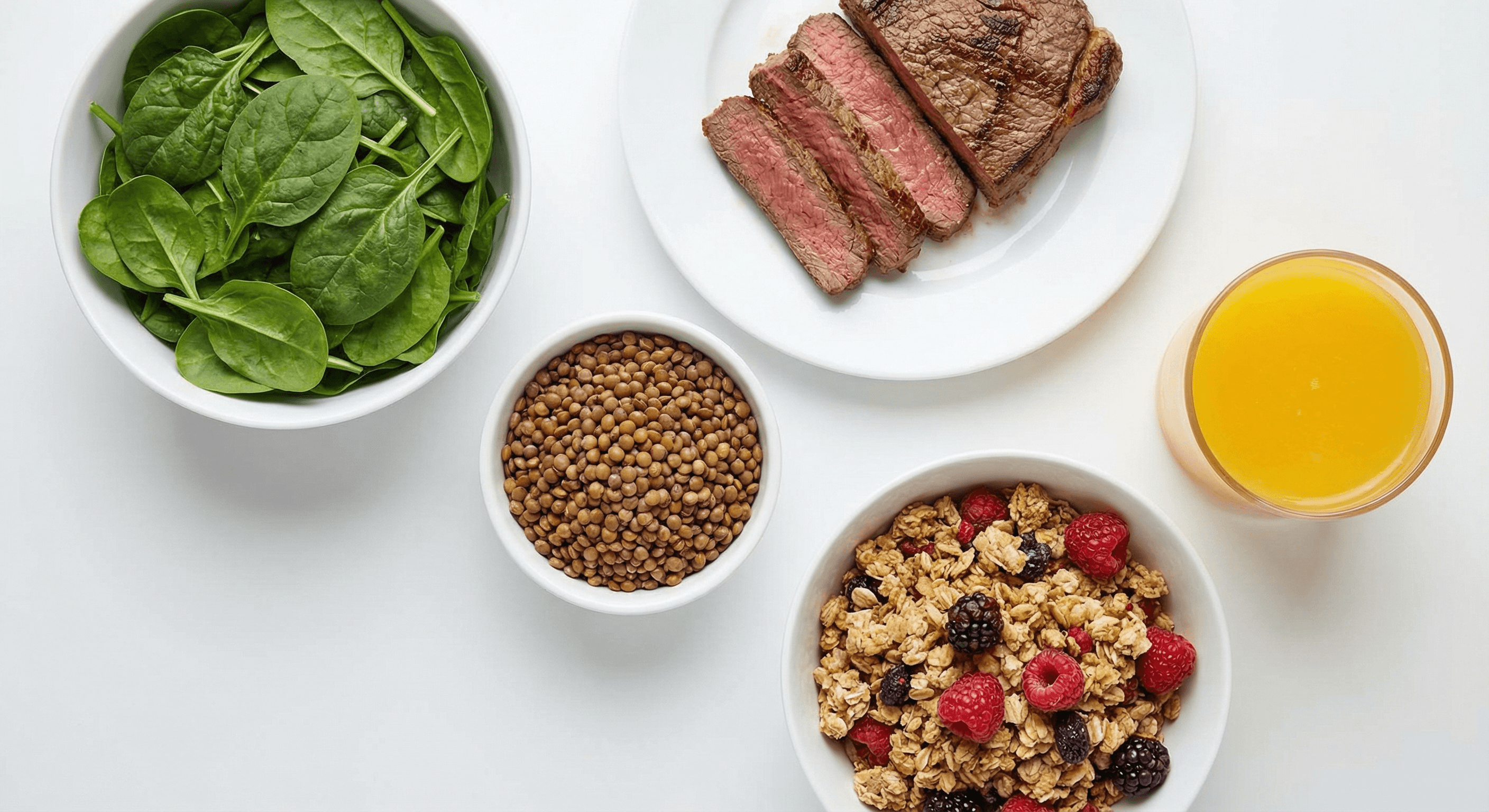
Iron support
Iron intake needs the same level of planning as mileage
- Lentils, beans, fortified grains, tofu, and leafy greens help.
- Pair iron-rich meals with fruit or another vitamin C food when possible.
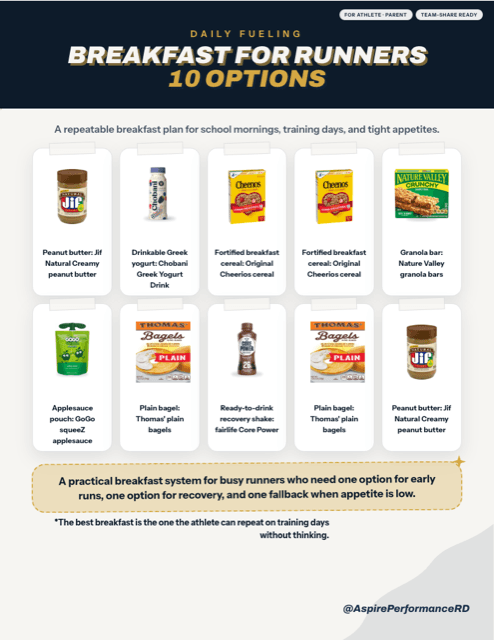
Breakfast fix
Fortified breakfast foods make the day easier
- Fortified oatmeal, cereal, soy milk, yogurt, nuts, and fruit cover a lot.
- Breakfast is the easiest place to add calcium and B12 regularly.
Context
Overview
TL;DR
- Plant-based athletes can support training with enough total food, varied protein foods, and practical planning.
- Build meals around carbohydrate, a plant protein, produce, and an enjoyable fat or flavor.
- Iron, vitamin B12, calcium, vitamin D, zinc, and omega-three food sources deserve attention.
- Laboratory testing and supplement decisions belong with the family, physician, and sports dietitian.
Coach line
TL;DR
Start with the athlete’s actual pattern
“Plant-based” can describe many ways of eating. Some athletes include dairy or eggs. Some eat fully vegan. Others avoid certain foods for allergy, culture, taste, cost, or ethical reasons.
Do not assume the athlete is underfueled, and do not assume the label guarantees a balanced intake. Ask practical questions:
- Which foods does the athlete enjoy?
- What is available at home and school?
- Can the athlete eat during the school-to-practice gap?
- Are allergy or sensory needs involved?
- Is the athlete intentionally removing more foods over time?
- Does the family want individualized help from a sports dietitian?
A coach needs the access answer, not a private diet history.
Unlock the rest of the manual
Full access opens every section and the ebook PDF.
Evidence
References
The sources behind this topic, so you can look up the originals.
- 1.Thomas DT, Erdman KA, Burke LM. Nutrition and Athletic Performance. Med Sci Sports Exerc. 2016;48(3):543-568.
- 2.Desbrow B. Youth Athlete Development and Nutrition. Sports Med. 2021;51(Suppl 1):3-12.
What to do next
Use it this week
Ask the athlete to name one breakfast, one lunch, and one recovery meal they can repeat this week.
Source topics
vegetarian • vegan • plant-based • protein • B12